Categories
Labwork

Sediments in Process

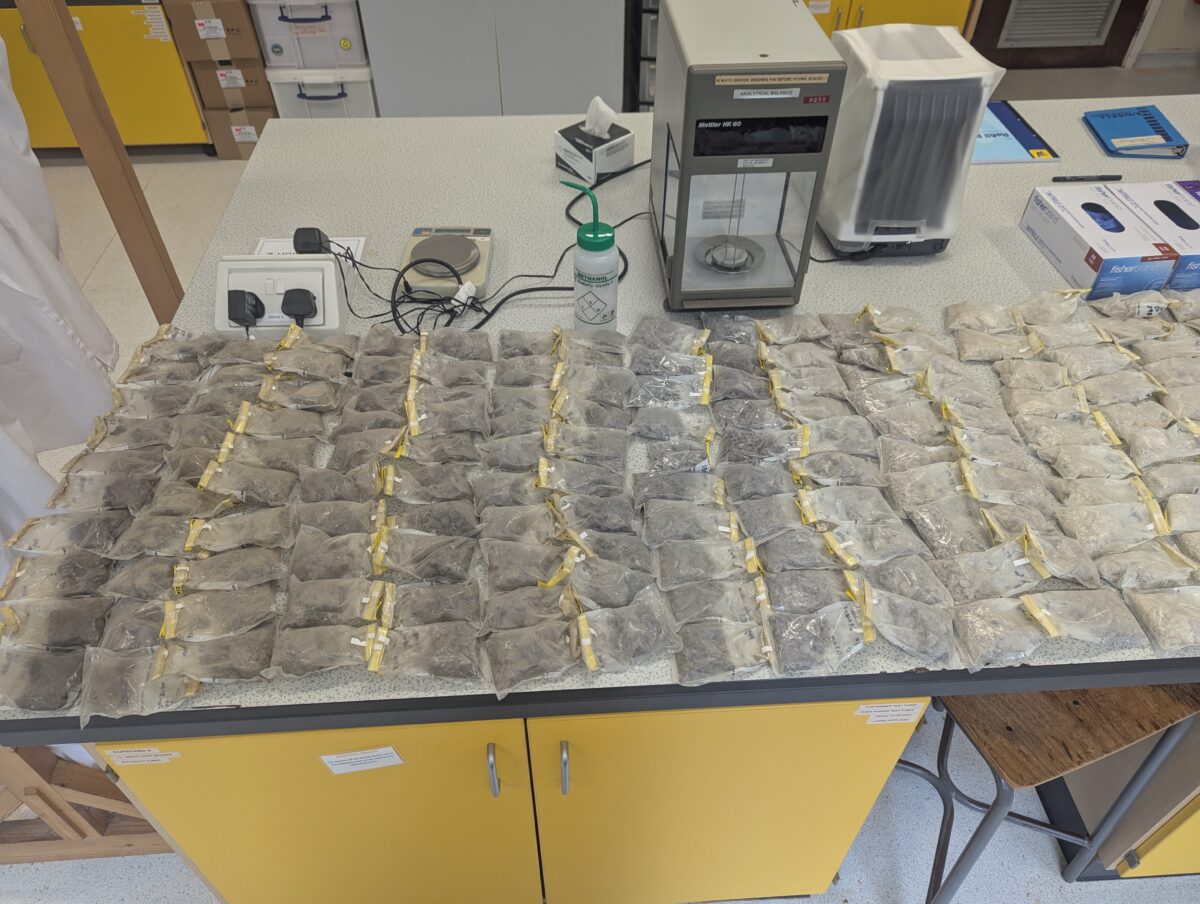
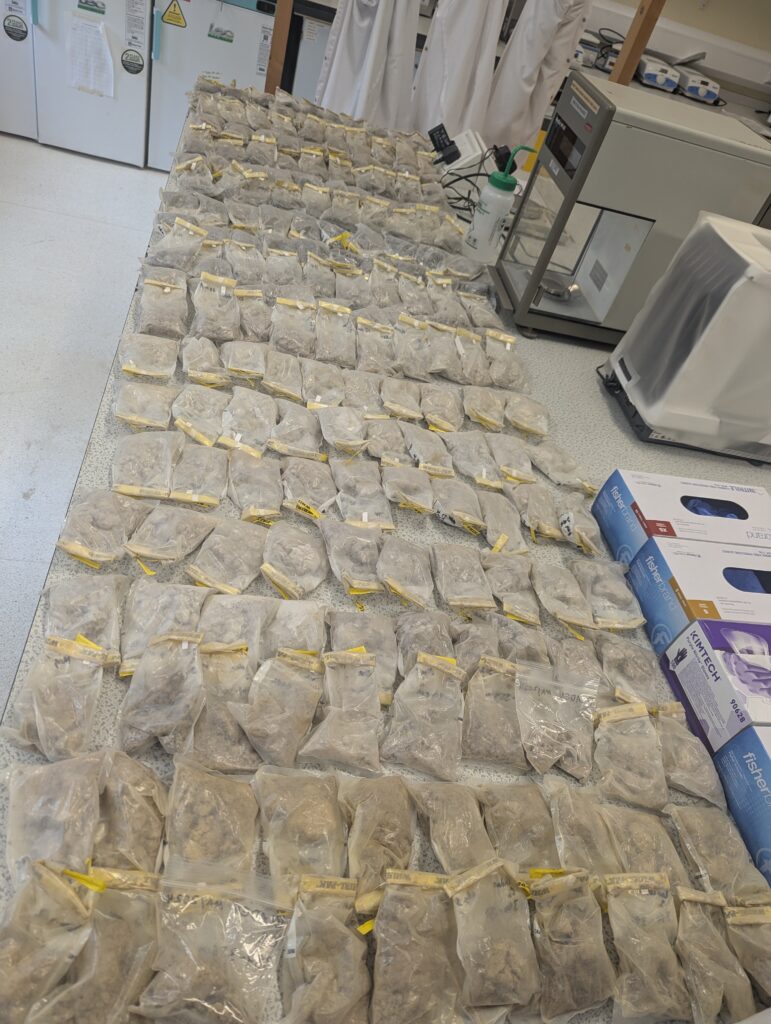
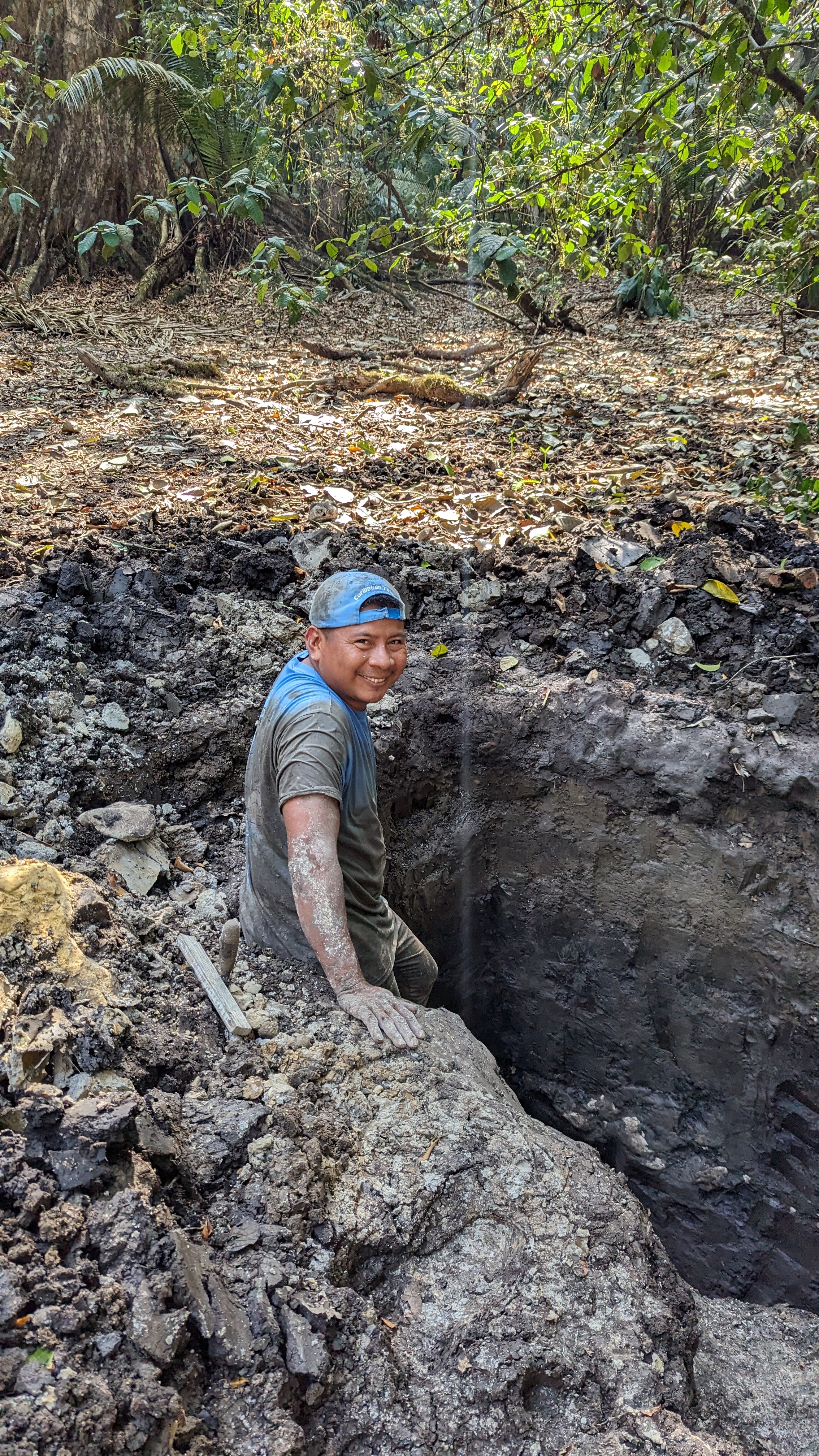
Sediments retrieved during the 2024 field season will be analysed for pollen, charcoal, and phytolith content, along with their geochemical composition. These components reveal the environments through time present in the Bladen project area.

This week, the lab at the University of Exeter is up and running for macrocharcoal analysis. This dataset will reveal fire incidence through time. More soon!

Categories
Conferences

Bladen Legacy at ECTE

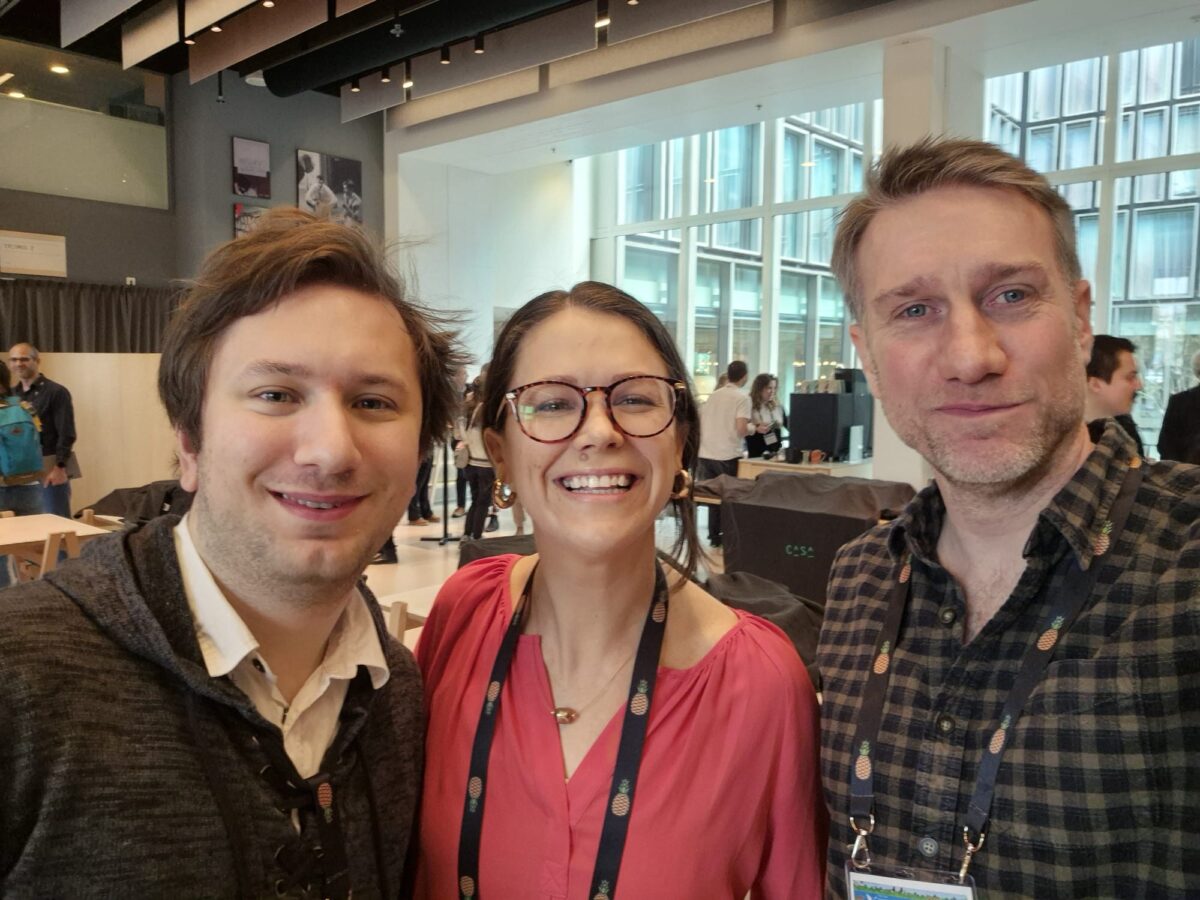
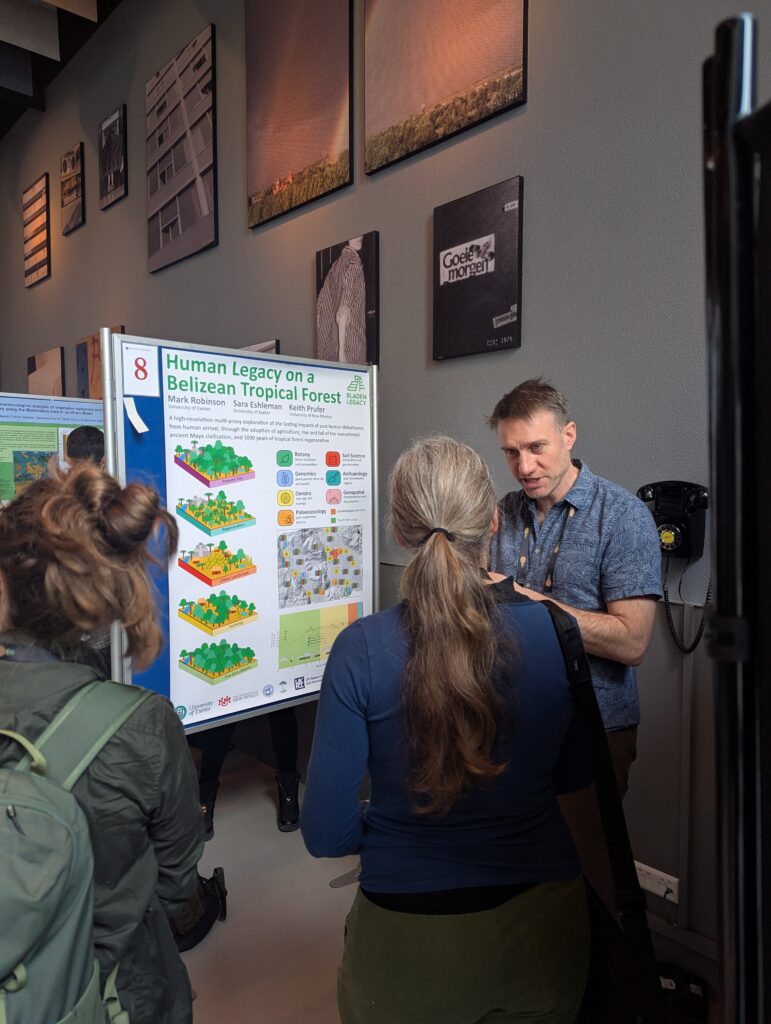
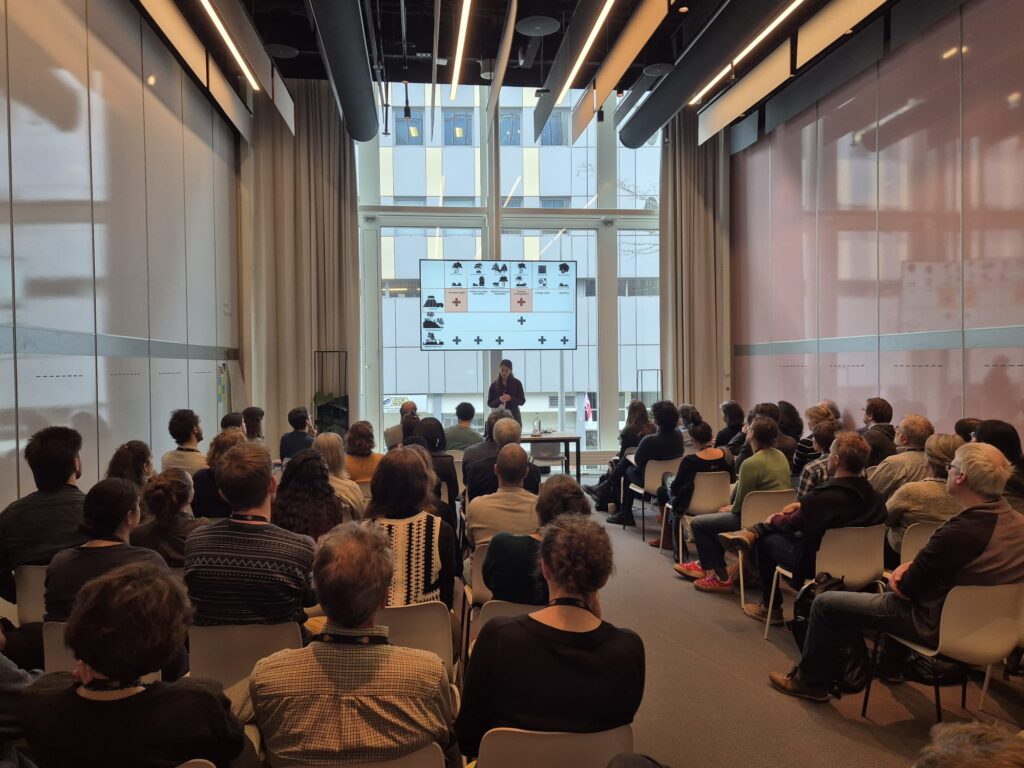
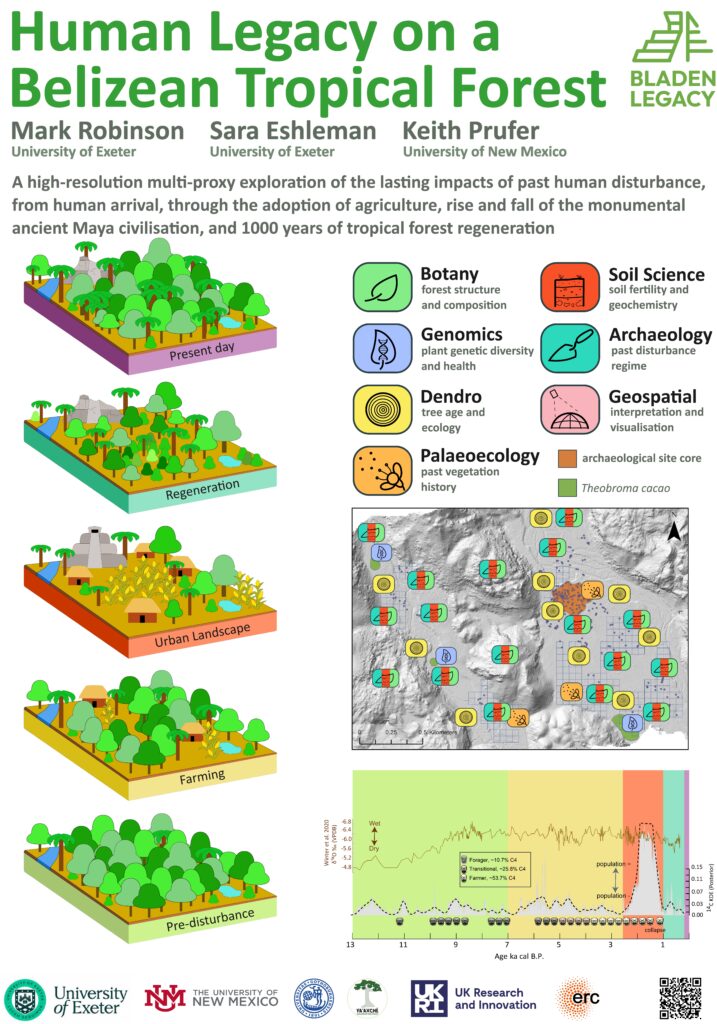
Bladen Legacy team members attended the 8th European Conference of Tropical Ecology from 24 to 28 February 2025 in Amsterdam. Sara Eshleman presented “Sensing Maya legacies in Central American forests” with Mark Robinson as a co-author. Mark presented “Human legacy on a Belizean Forest” with Sara and Keith Prufer as co-authors. Additionally, new postdoc, Joe Hirst, presented “Modelling maize agriculture by the pre-Columbian Casarabe Culture of Bolivia using palaeoclimate reanalysis and agent-based modelling” based on his prior research.

All team members engaged with new and existing colleagues around human-environment interactions in the tropics, tropical palaeoecology, and tropical ecosystem dynamics.

Categories
Announcements

Welcome to the Team: Joe Hirst

Dr. Joseph Hirst is joining the Bladen Legacy team as a palaeoecology postdoc based in Exeter. Joe earned his PhD from the School of Archaeology, Geography, and Environmental Science at the University of Reading. Joe specializes in pollen analysis and agent-based modelling, and will be applying these techniques to the Bladen project.

Read more about Joe in his profile.

Categories
Fieldwork

Big Trees in Focus: Ceiba

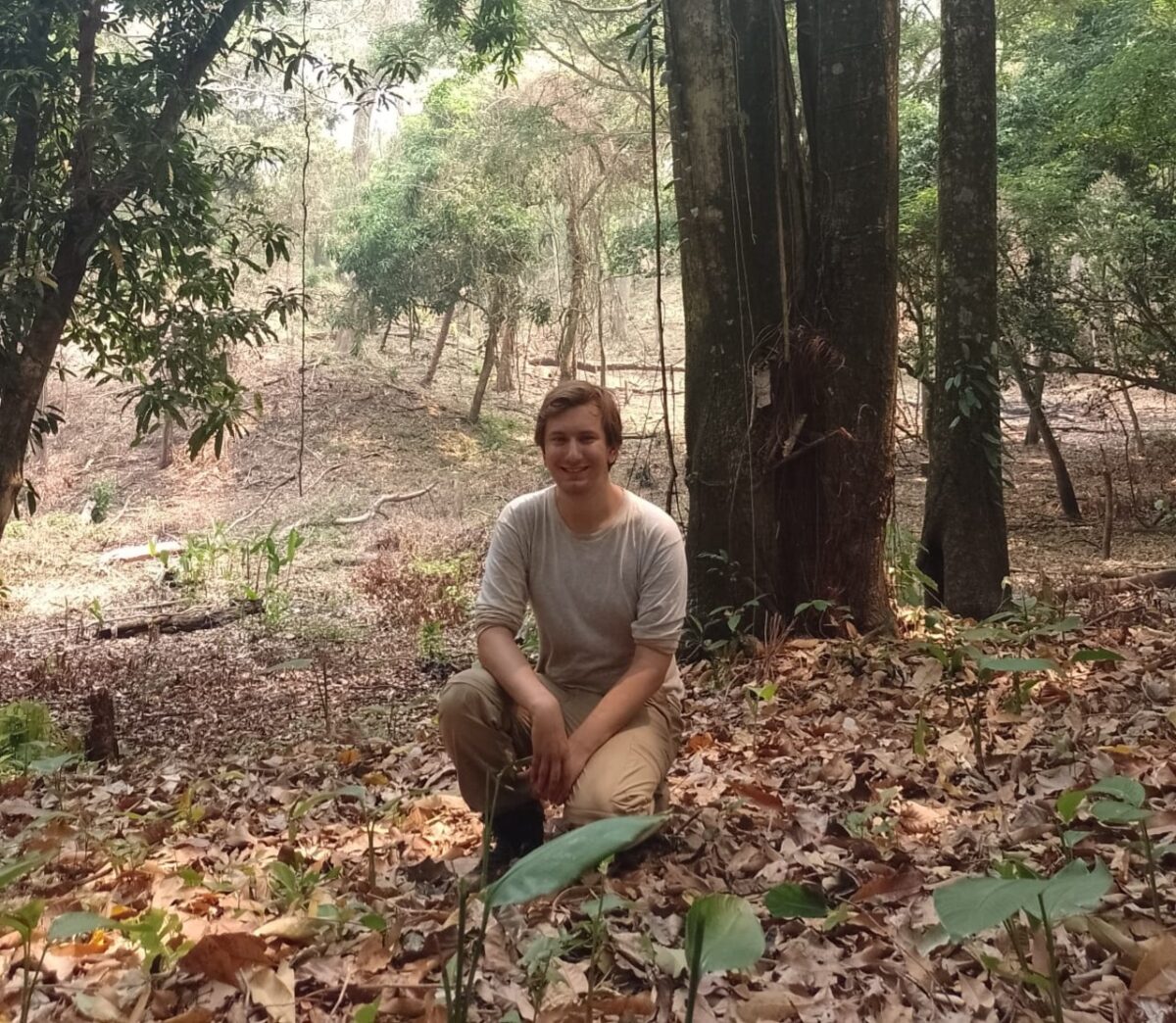
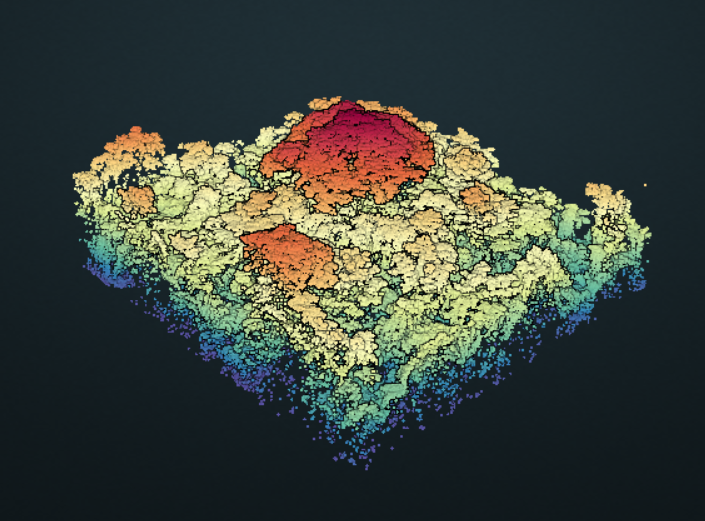
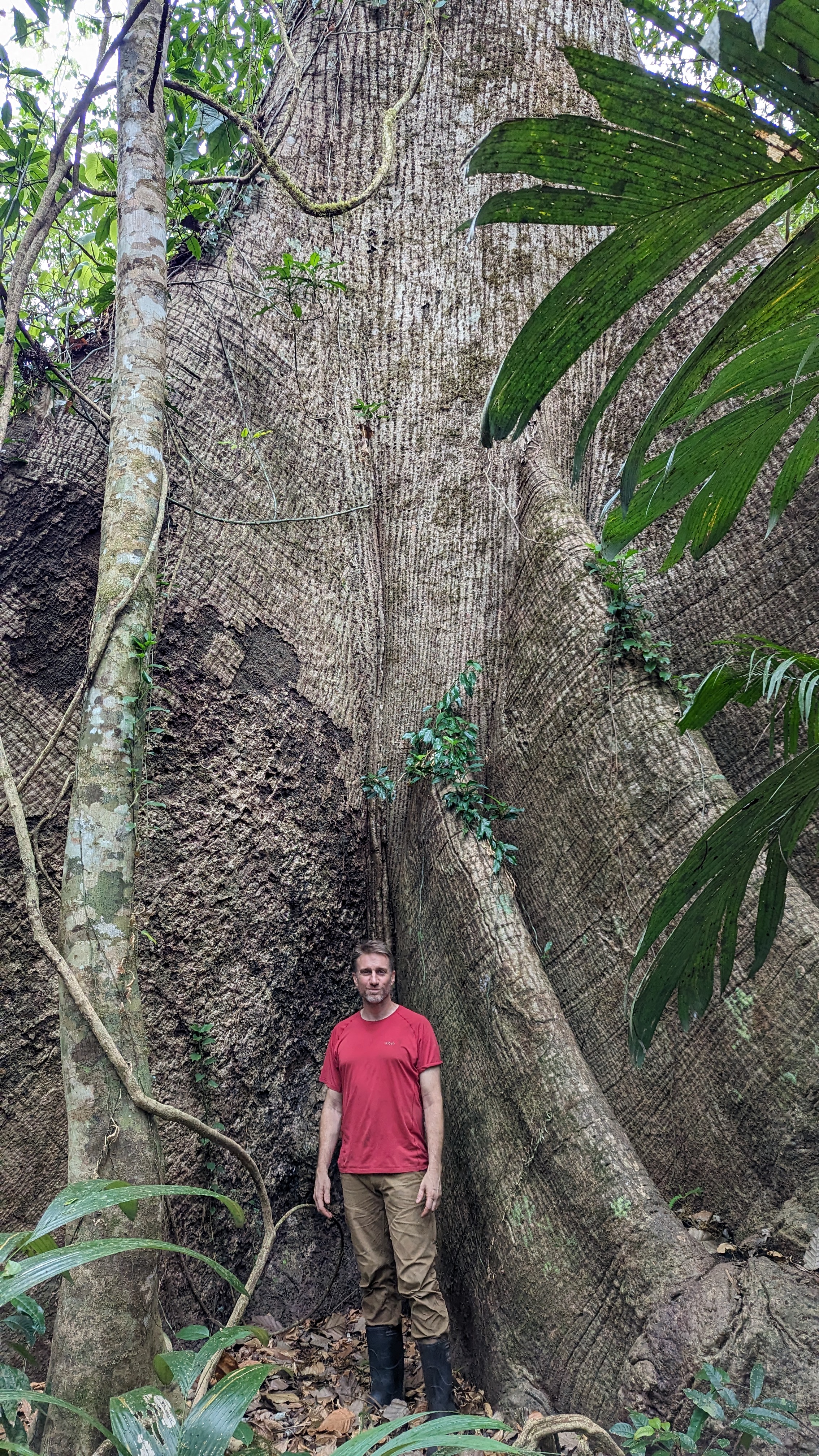
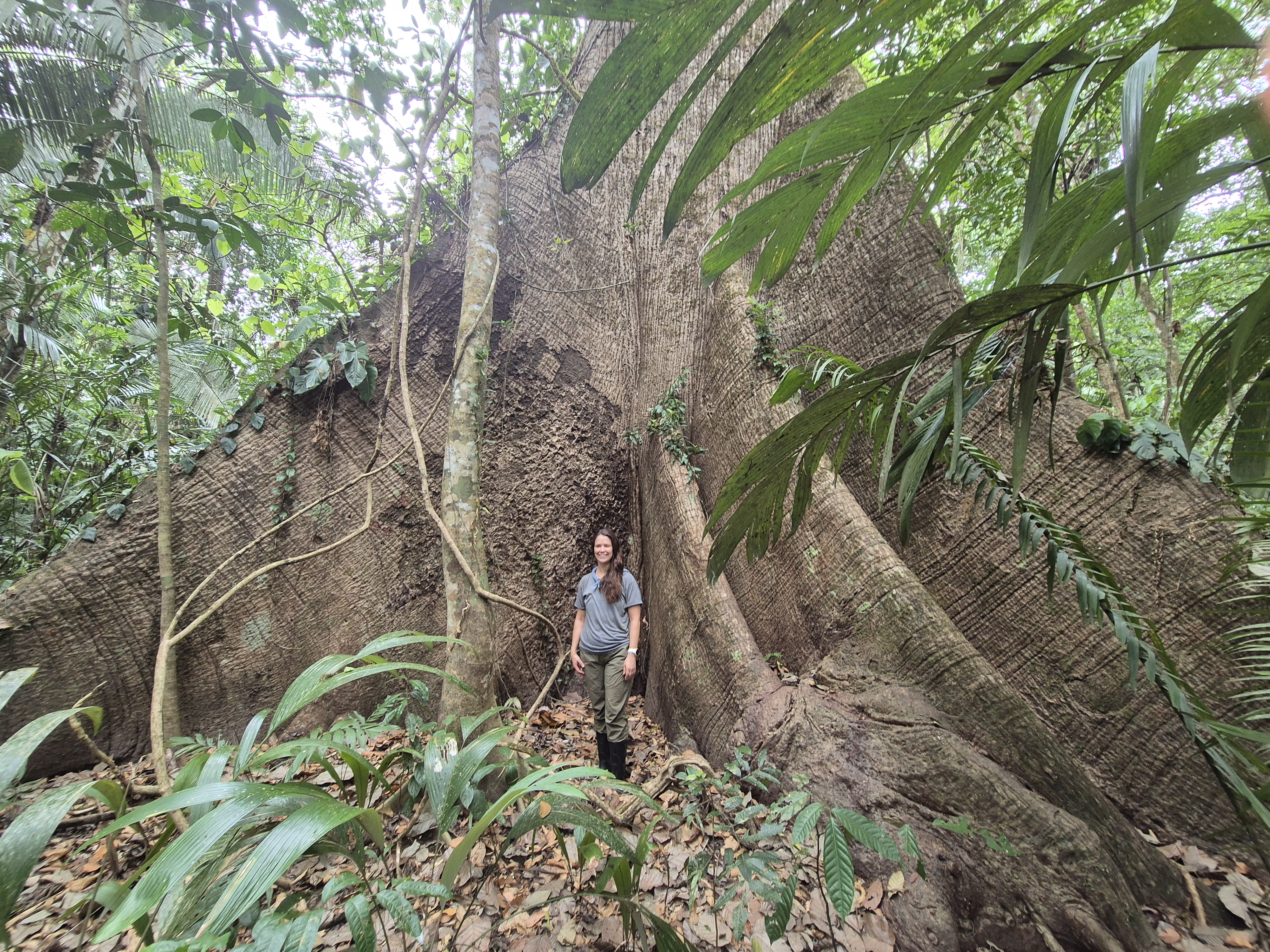
The Bladen Legacy team was astounded by the number and size of big trees during the 2024 field season. These trees will be the focus of directed work in the upcoming 2025 field season. One particularly astonishing specimen was a large ceiba tree. Ceiba trees are important to Maya mythology and have a strong human connection in that manner, but they also grow relatively quickly so further testing is necessary to ascertain whether the ancient Maya in the Ek Xux valley saw this same tree.

Click the point cloud image below to explore the lidar point cloud around the ceiba. The photos demonstrate the size of this Ceiba relative to different team members.

Categories
Press

Jose Mes in National Geographic Traveller

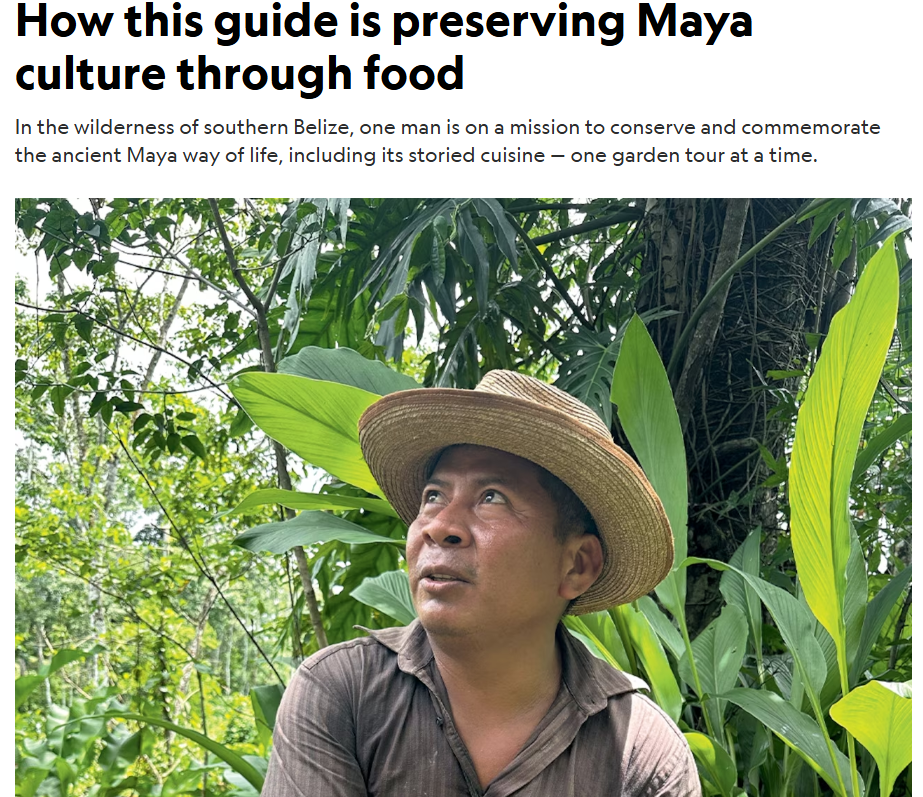
Project associate, Jose Mes, was featured in the December issue of National Geographic Traveller. He and his wife, Hilda, offer a Maya food experience in their home and farm in Santa Cruz Village. Field team members have been treated to Hilda’s cooking and we highly recommend the experience.

Jose during the 2024 Bladen Legacy Field Season

Categories
Announcements

Join the Bladen Legacy Team as a Palaeoecology or Palaeobotany Postdoc

We are hiring two postdoctoral research associates to join the Bladen Legacy team. One of the University of Exeter-based postdocs will lead palaeoecological analysis and interpretation, particularly for pollen and charcoal. The other will lead the palaeobotany analysis and interpretation, especially for phytoliths. These positions will work together and with the broader team towards understanding vegetation change and plant use through time in the Bladen Project area.

Find more information and apply by 6 January 2025 here for the palaeoecology post and here for the palaeobotany post.

Categories
Announcements

Introducing Dr. Eshleman

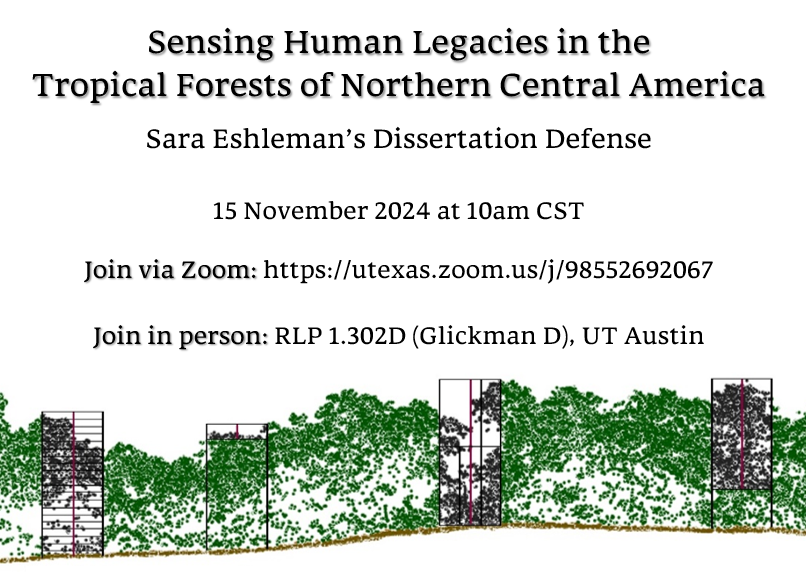
Sara Eshleman successfully earned her PhD. Her dissertation, “Sensing Human Legacies in the Tropical Forests of Northern Central America,” focuses on using lidar imagery to correlate Maya infrastructure to modern forest structure in northwestern Belize. Her degree is conferred from the University of Texas at Austin Department of Geography and the Environment. She has already joined Bladen Legacy as a Postdoctoral Research Associate for remote sensing and ecological modelling.

Faunal Remains Practicum with the HumAnE Centre

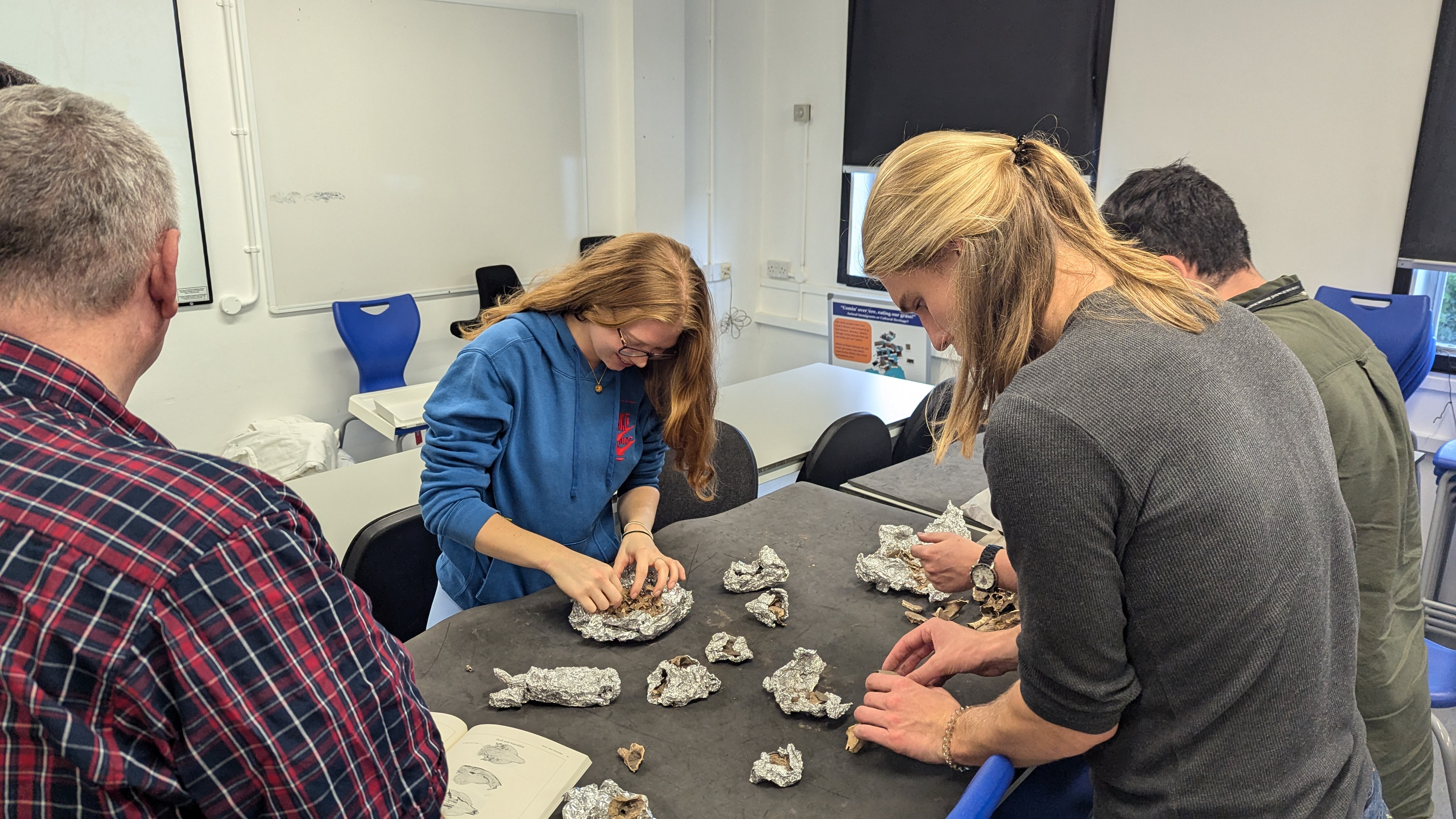
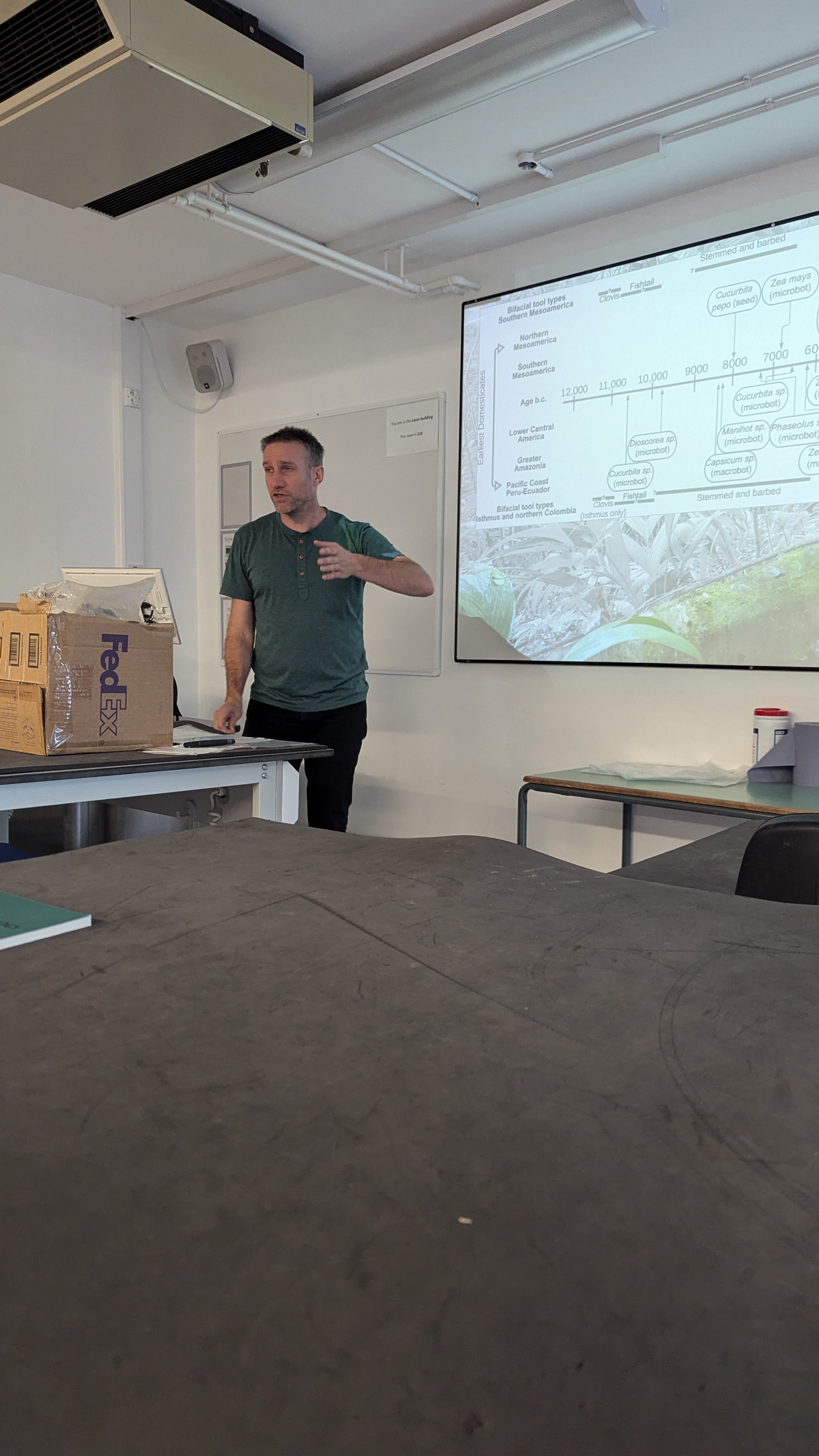
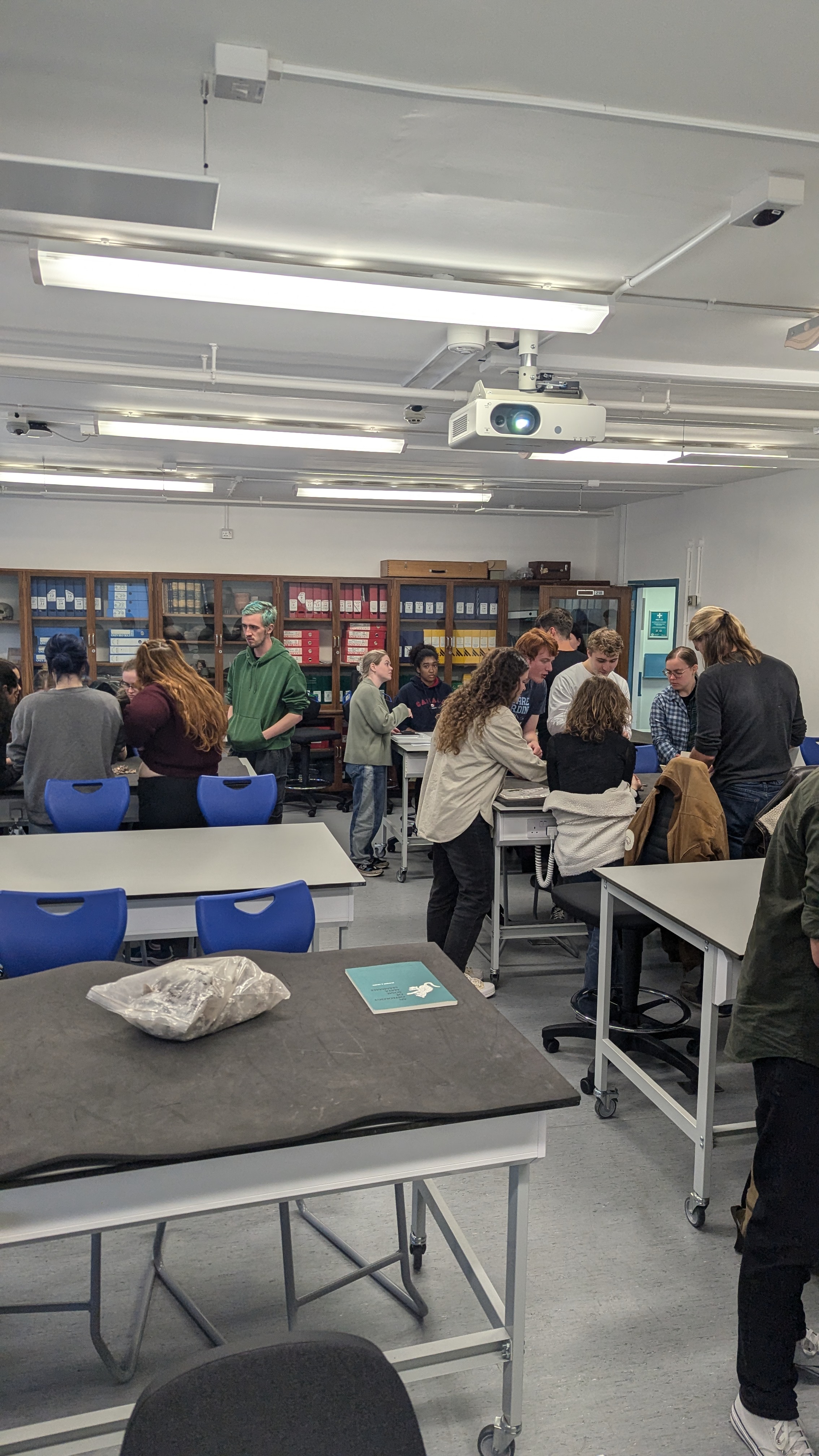
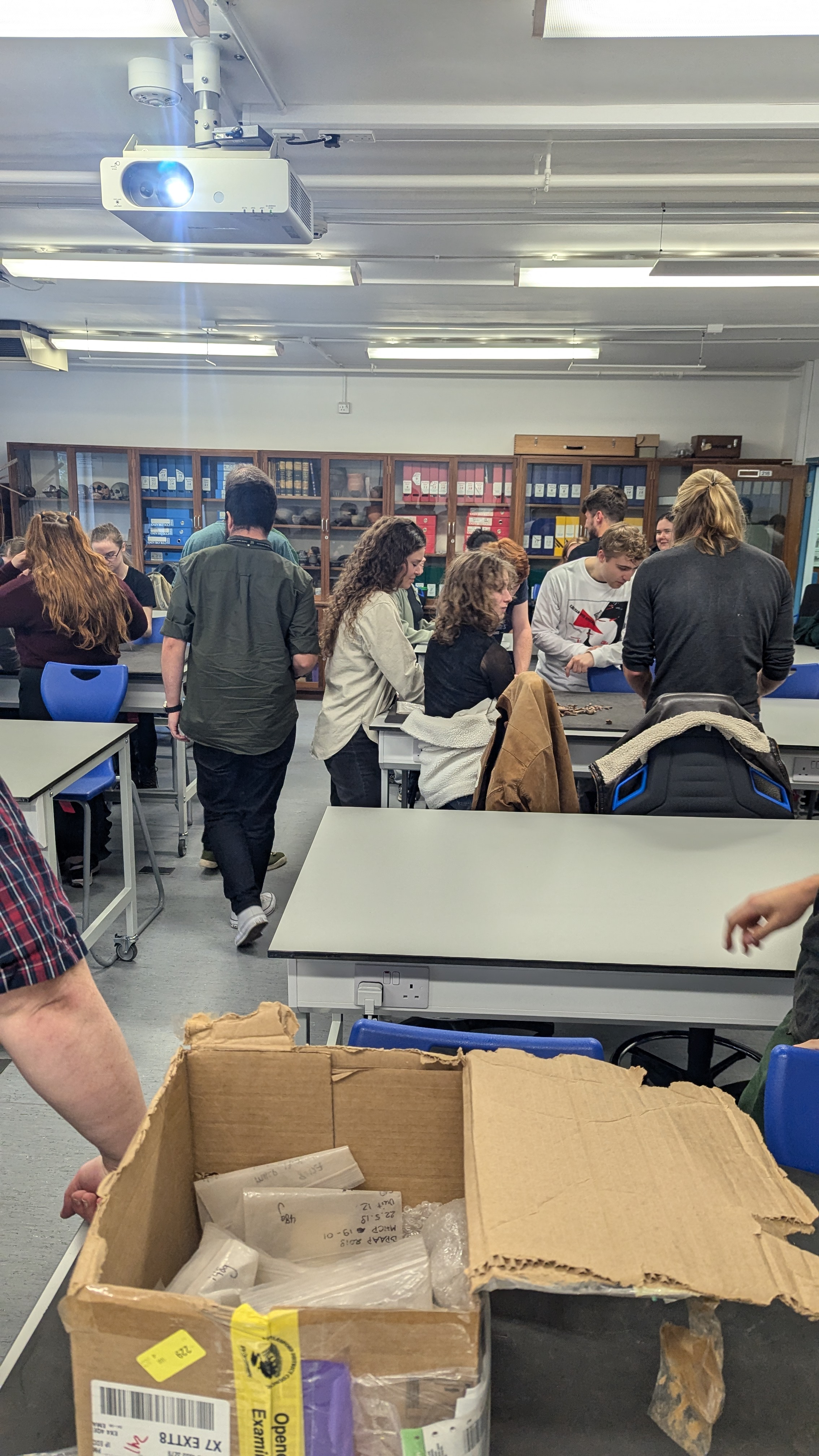
Dr. Mark Robinson and Oscar Wilkinson, an MSc Bioarchaeology: Zooarchaeology student, led a hands-on practicum for the HumAnE Bioarchaeology Centre around a Bladen faunal assemblage. Mark started with a brief presentation titled “Food production in the Mesoamerican neotropics through the Holocene.” Then HumAnE members engaged with tropical fauna from the rock shelter contexts and developed an initial classification of the material.

Categories
Fieldwork

Collaboration with LASTJourney in Serranía de La Lindosa, Colombia

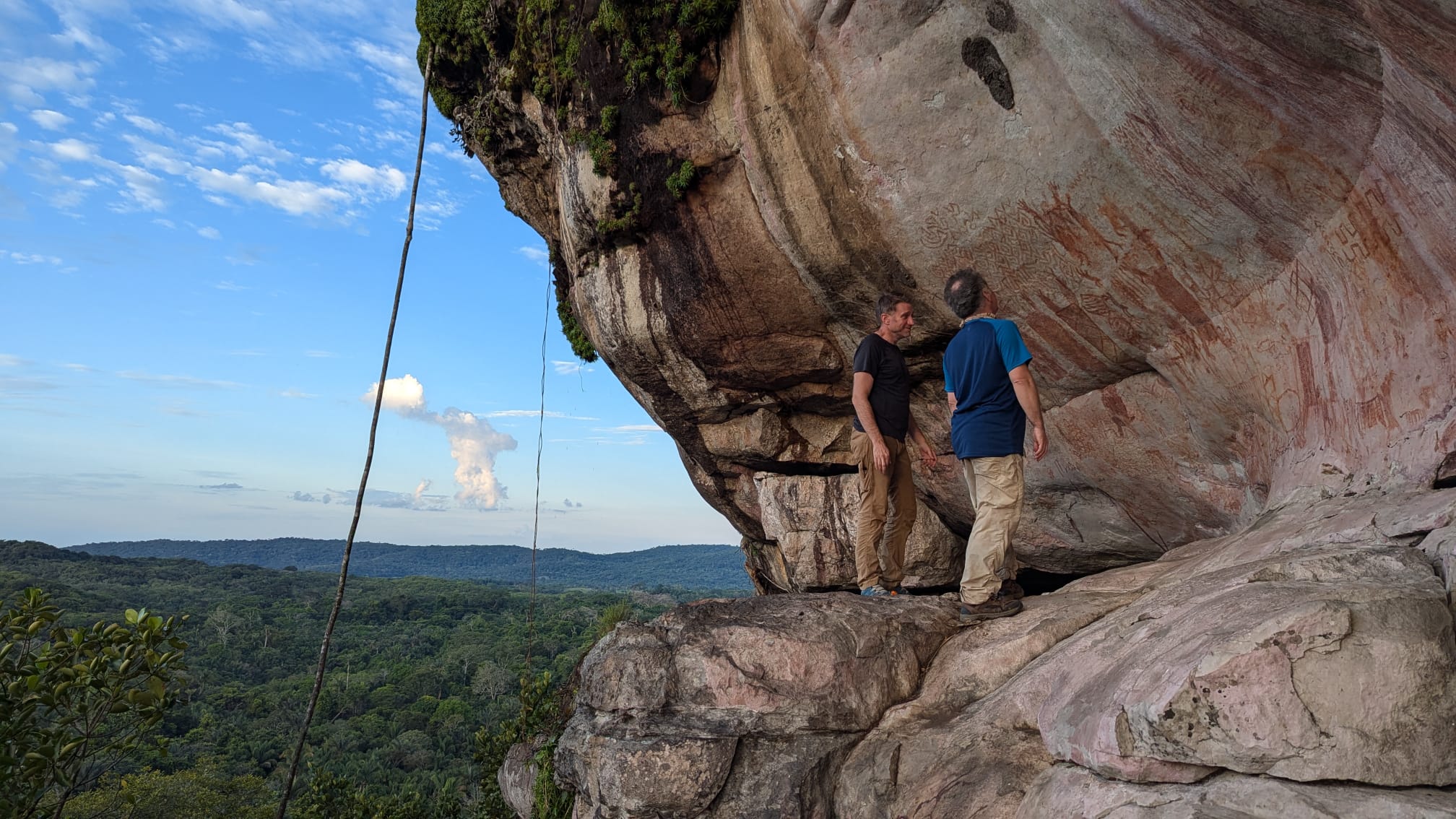
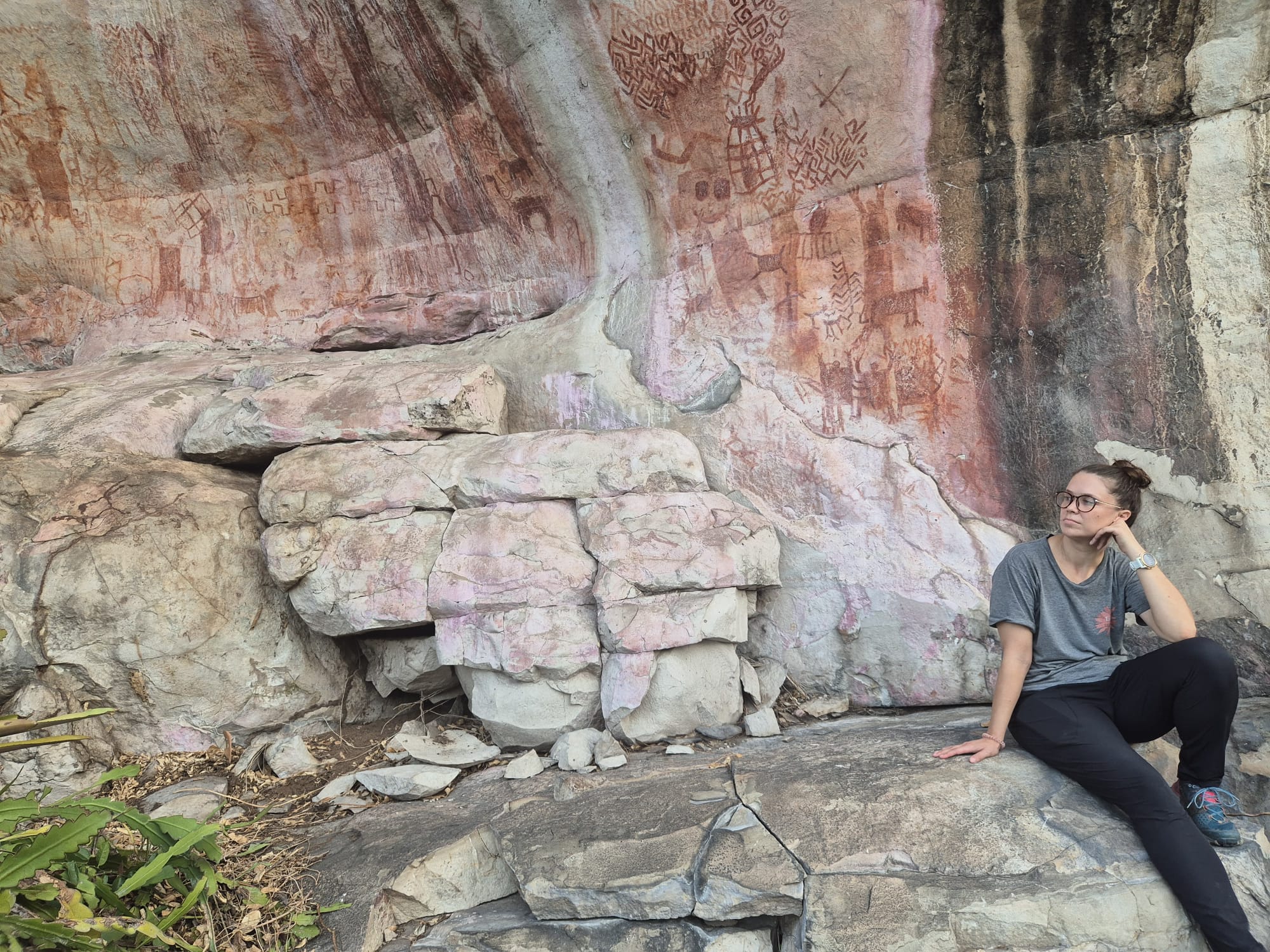
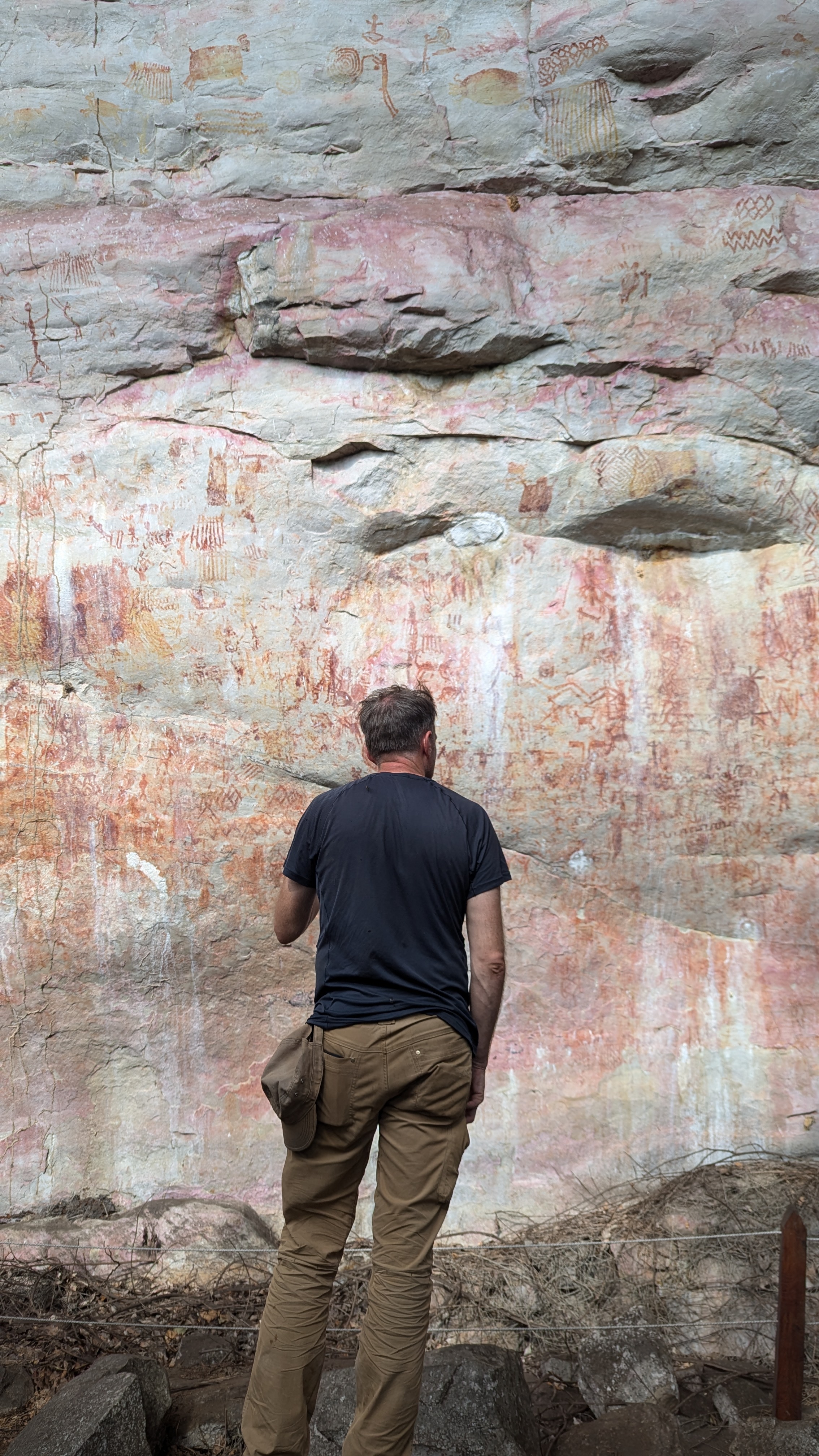
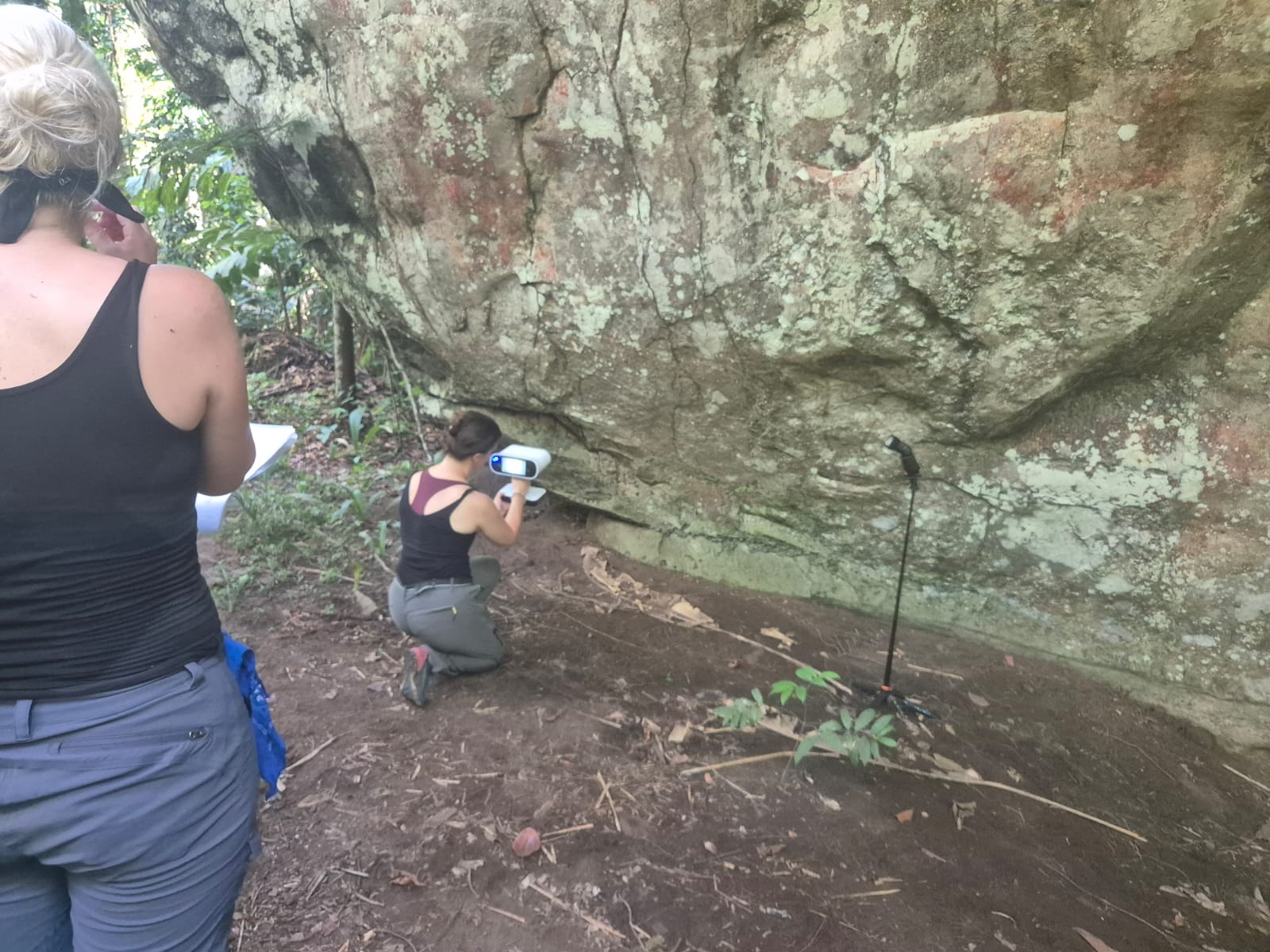
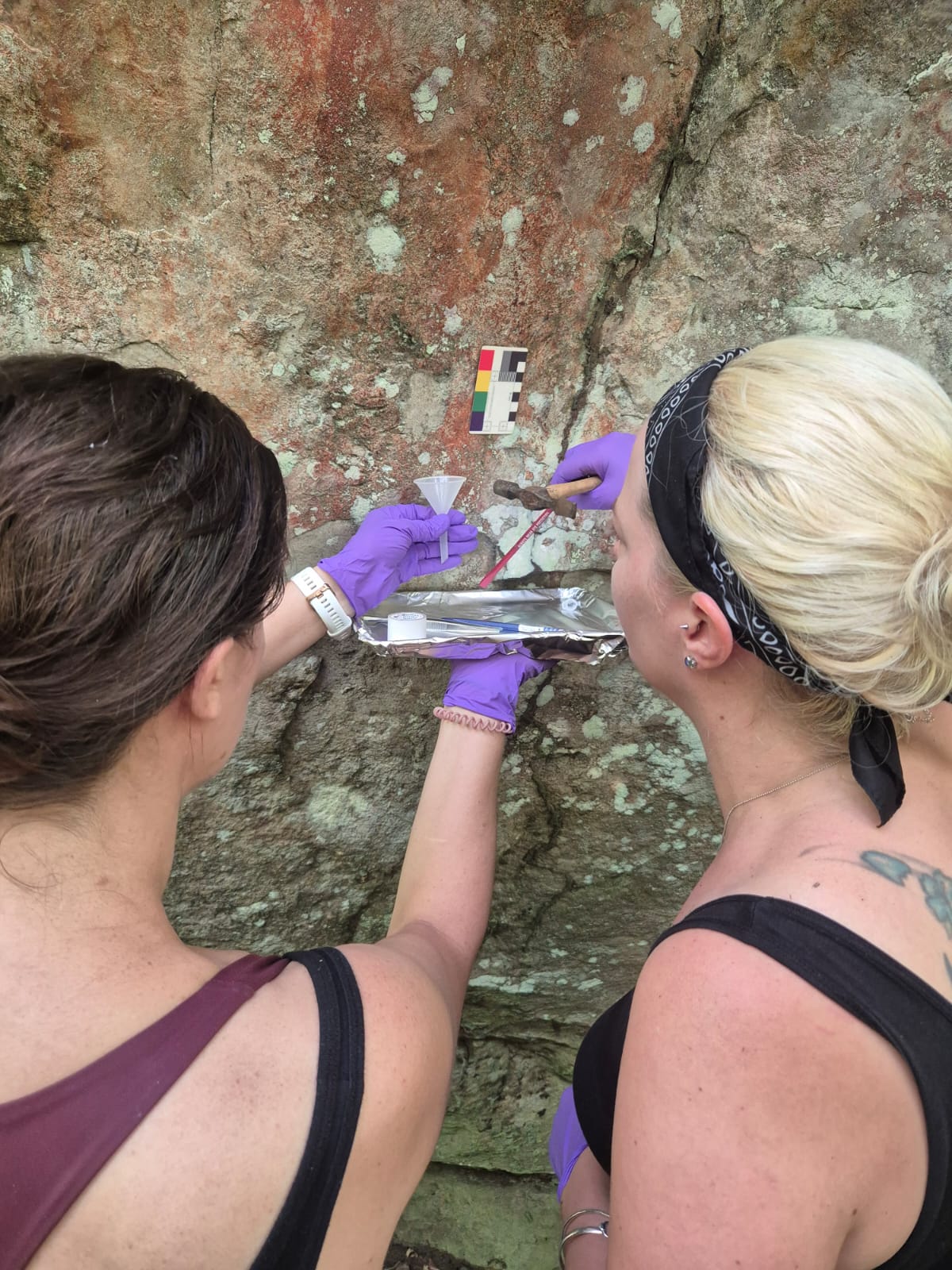
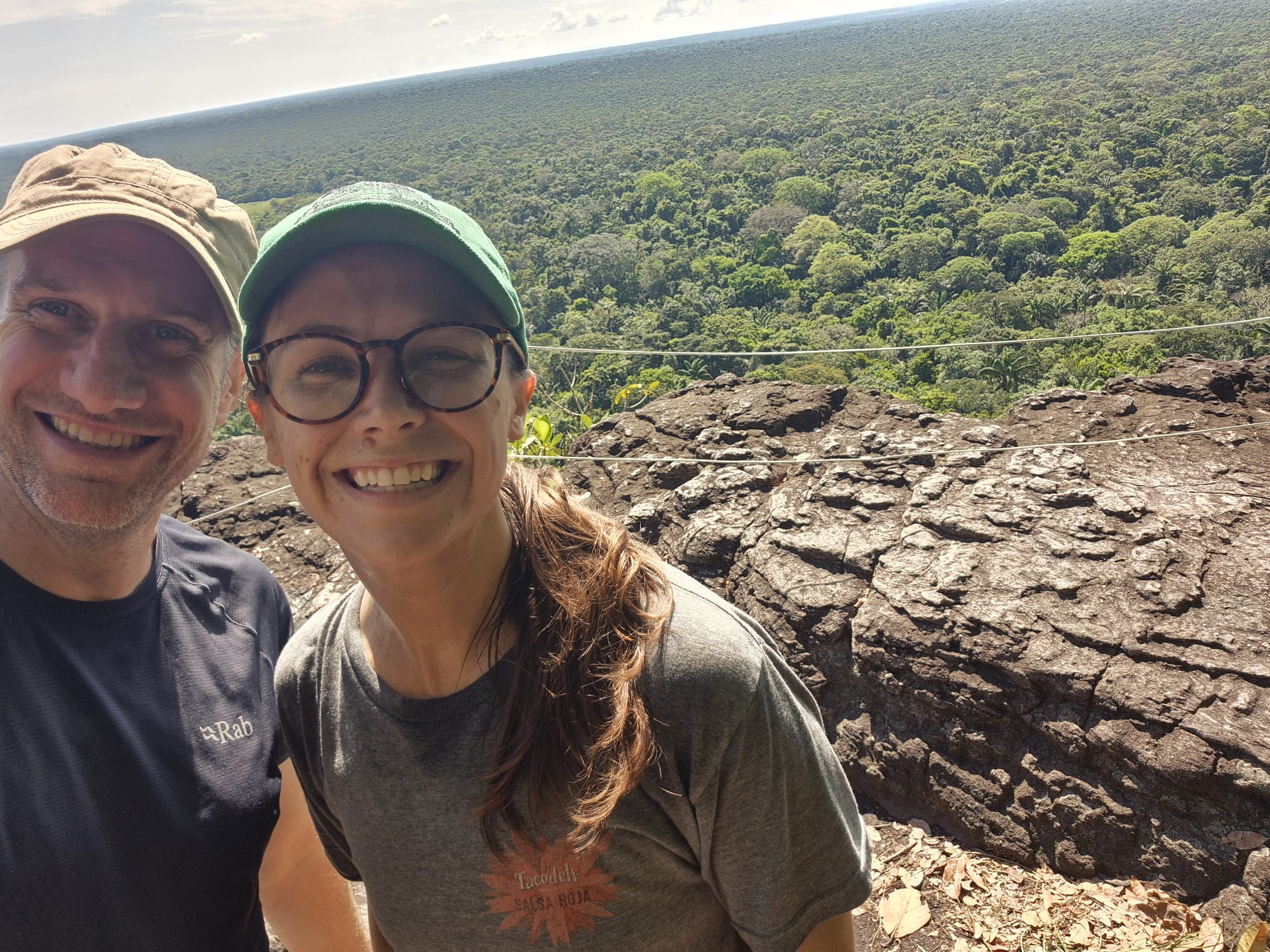
Dr. Mark Robinson and Sara Eshleman were invited to partake in an abbreviated field season in the Serranía de La Lindosa, Colombia with the LASTJourney project. The stunning rock shelter sites contain evidence of early peopling of the tropical Americas, an interesting corollary to the Bladen rock shelters. The fieldwork centred on digitally documenting rock art panels and collecting pigment samples to determine the age of the artwork.

Categories
Conferences

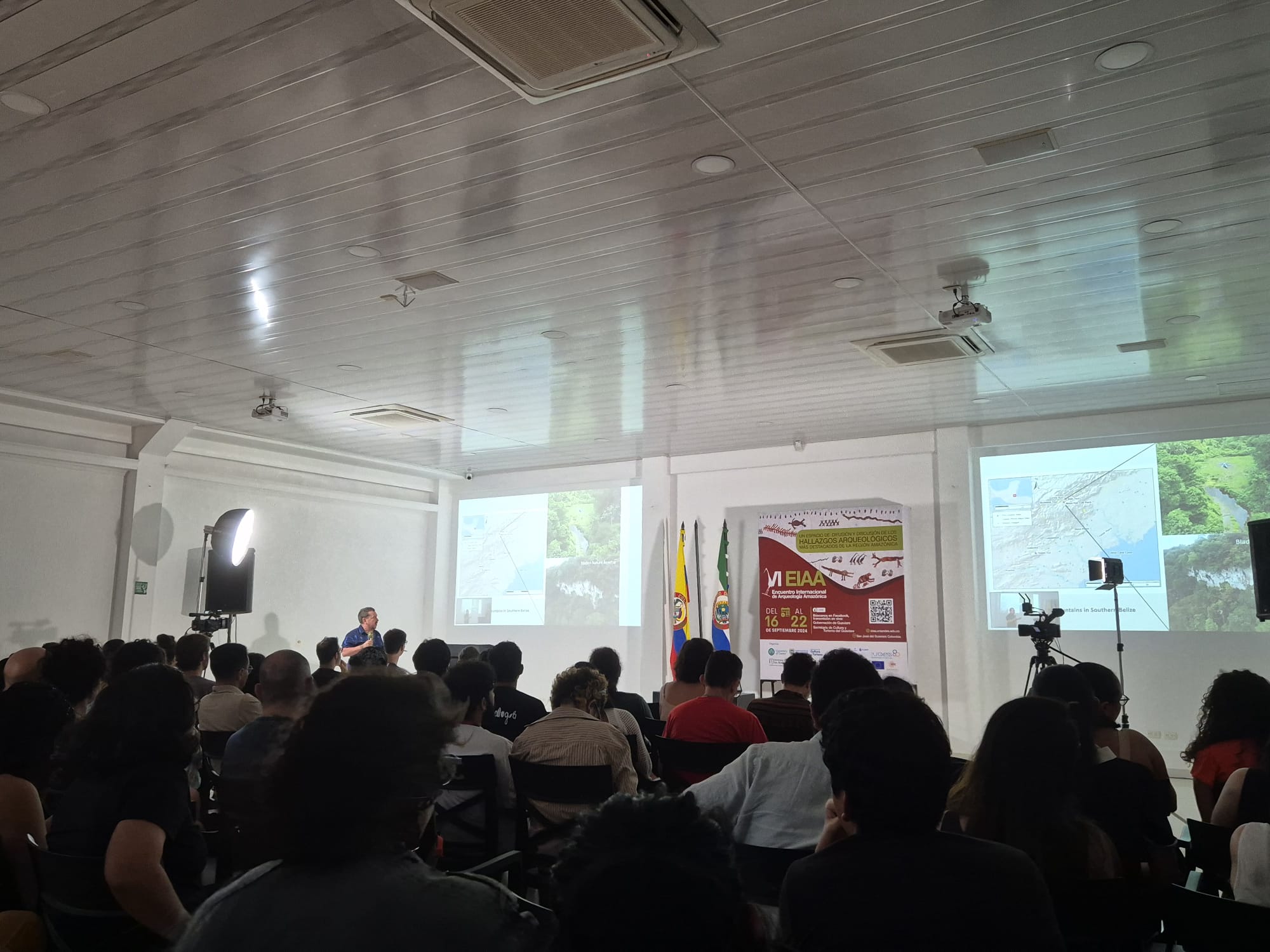
Bladen Legacy at VI EIAA

Members of the BLADEN Legacy project attended the EIAA (Encuentro Internacional de Arqueología Amazónica) in San José del Guaviare, Colombia from 16 to 22 September, 2024. Dr. Keith Prufer, in collaboration with other project members, presented a paper titled “The search for the earliest ancestors of the Maya: early population structure and the origins of farming reveal links between Central and South America.” All project members exchanged ideas with Amazonian archaeologists, particularly around early peopling of the tropical Americas, long-term human-environment interactions, and archaeological and geospatial methodologies.

Due to his long-term work and collaborations in Amazonian archaeology, Dr. Mark Robinson co-authored five papers with themes around long-term human-environment interaction that span Latin American geographies.